SBOM Reporting Platform: Turning Software Transparency into a Strategic Advantage
| Interlynk
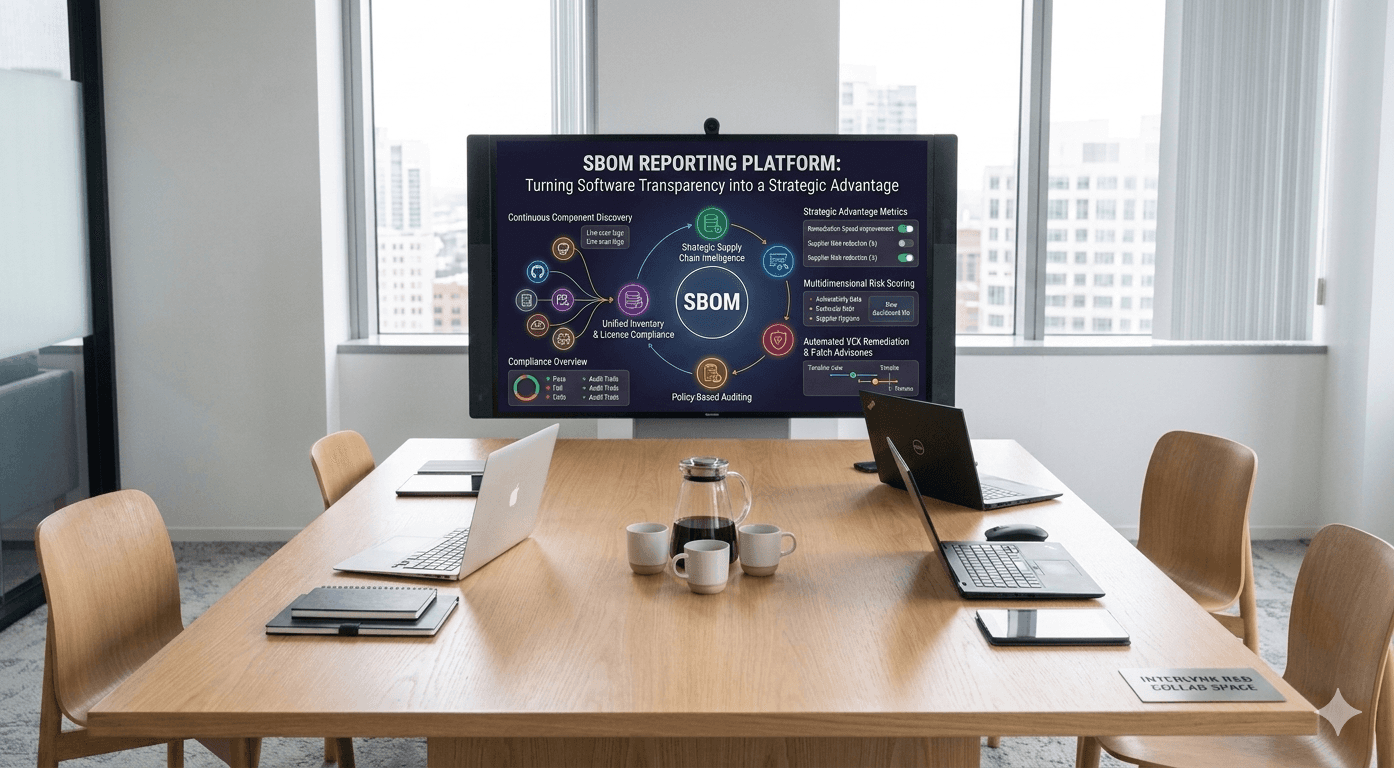
Modern software is no longer built, it is assembled. Open source components, third party libraries, APIs, and internal modules all come together to create complex systems that evolve continuously. While this modular approach accelerates development, it also introduces a critical challenge: visibility. Without a clear understanding of what goes into your software, risk becomes difficult to measure and even harder to manage.
This is where an SBOM reporting platform becomes indispensable. Instead of treating Software Bill of Materials as a compliance checkbox, forward thinking organizations are leveraging it as a central intelligence layer for security, governance, and operational efficiency.
The Shift from Static SBOMs to Dynamic Reporting
Traditional SBOM generation often results in static documents that quickly become outdated. In a CI CD driven environment, software components change frequently, making point in time SBOMs insufficient. What organizations need is continuous SBOM reporting that evolves alongside the software lifecycle.
An advanced SBOM reporting platform transforms raw component data into actionable insights. It continuously ingests build data, monitors dependencies, and updates risk posture in real time. This shift enables teams to move from reactive audits to proactive risk management.
Why SBOM Reporting is Now Mission Critical
The importance of SBOM reporting is driven by three major forces:
Supply Chain Risk Visibility
Software supply chain attacks are increasing in frequency and sophistication. Without detailed visibility into dependencies, organizations remain exposed to vulnerabilities hidden deep within their stack. SBOM reporting provides a structured inventory that reveals exactly what components are in use and where risks exist.Regulatory Pressure and Compliance
Governments and industries are introducing stricter requirements for software transparency. Compliance frameworks increasingly mandate SBOM generation and reporting. However, compliance alone is not enough. Organizations must be able to demonstrate continuous monitoring and rapid response capabilities.Operational Efficiency
Engineering teams often struggle with dependency sprawl. Duplicate libraries, outdated versions, and unnecessary components increase complexity and maintenance overhead. SBOM reporting platforms help rationalize software composition, leading to cleaner and more efficient architectures.
What Defines a Modern SBOM Reporting Platform
Not all SBOM solutions are created equal. A robust platform goes beyond generation and focuses on intelligence, automation, and integration.
Continuous Data Aggregation
The platform should integrate seamlessly with build pipelines, repositories, and artifact registries. This ensures that SBOM data is always current and reflects the true state of the software.
Risk Contextualization
Raw vulnerability data is not enough. Effective reporting platforms correlate SBOM components with vulnerability databases, exploit intelligence, and usage context. This helps prioritize risks based on real world impact rather than theoretical severity.
Policy Driven Governance
Organizations need the ability to define and enforce policies across their software ecosystem. Whether it is restricting certain licenses or flagging outdated dependencies, policy engines ensure consistency and compliance at scale.
Developer Friendly Insights
SBOM reporting should not be confined to security teams. Developers need clear, actionable insights embedded within their workflows. This reduces friction and accelerates remediation.
From Visibility to Action: The Real Value
The true power of an SBOM reporting platform lies in its ability to convert visibility into action. Instead of simply identifying issues, it enables teams to:
• Detect vulnerabilities early in the development cycle
• Prioritize remediation based on business impact
• Track risk trends over time
• Automate compliance reporting
• Improve collaboration between security and engineering
This creates a feedback loop where software continuously improves in both quality and security.
A New Perspective: SBOM as a Strategic Asset
Most organizations still view SBOMs as a security requirement. However, the real opportunity lies in treating SBOM data as a strategic asset. When analyzed effectively, it can reveal patterns in development practices, highlight inefficiencies, and guide architectural decisions.
For example, understanding dependency usage across projects can help standardize technology stacks. Identifying frequently vulnerable components can inform procurement decisions. Over time, this leads to a more resilient and optimized software ecosystem.
How We Approach SBOM Reporting
At Interlynk, we approach SBOM reporting as a continuous intelligence system rather than a static output. Our focus is on enabling organizations to operationalize SBOM data across the entire software lifecycle.
We prioritize automation to eliminate manual overhead, integration to ensure seamless adoption, and contextual analysis to deliver meaningful insights. This allows teams to stay ahead of risks while maintaining development velocity.
By aligning SBOM reporting with real world workflows, we help organizations move beyond compliance and unlock measurable value.
The Road Ahead
As software ecosystems continue to grow in complexity, the need for transparency will only intensify. SBOM reporting platforms will evolve into core infrastructure components, supporting not just security but also governance, procurement, and innovation.
Organizations that invest early in robust SBOM reporting capabilities will gain a significant advantage. They will be better equipped to manage risk, respond to threats, and build trust with customers and partners.
In this landscape, Interlynk stands as a partner in transforming how software transparency is achieved and utilized.
About Us
Interlynk builds software supply chain security infrastructure for teams that take SBOM seriously as an operational discipline, not a regulatory checkbox. If you're working through what complete SBOM coverage looks like for your regulated products, see how SBOMs map across CRA, NIS2, FDA and DORA; book a demo or explore our open-source toolset.